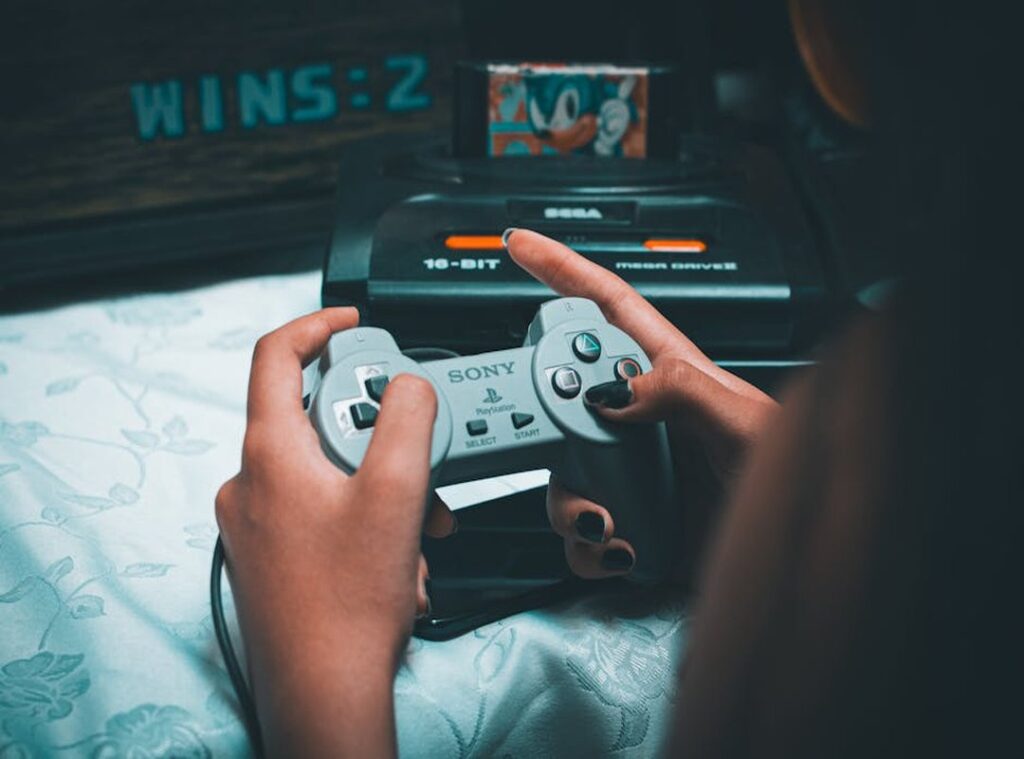
Too many people think gaming is just a waste of time. They miss out on something important.
Games influence skills in ways that can surprise you. I’ve seen it myself.
Research shows that games can boost cognitive and physical abilities. The latest studies highlight how gaming boosts problem-solving skills and improves reaction times.
You might be wondering if this is just hype or if there’s real evidence. Trust me, there’s a growing body of work out there that backs this up.
I’ve been deep in the gaming world for years. I’ve seen trends come and go, but the evidence of gaming’s benefits keeps piling up.
This article dives into how games can really make a difference. You’ll learn how different types of games can boost various skills.
Is it all about fun? Sure, but it’s also about growth.
I’ll break down the developmental benefits of gaming and show you how you can use them.
Stay with me, and you might rethink how you view gaming. You could discover a whole new perspective that turns gaming into a valuable tool for personal development.
Let’s explore this together and see just how far the influence of games can reach.
Brain Power Level Up: Gaming’s Gift
Does gaming actually make you smarter? I’ve been gaming for years, and I can tell you, it’s not just mindless fun. You learn.
You think. You solve problems. Games influence skills, and it’s fascinating how this plays out.
Picture the suspense of a puzzle game demanding every ounce of your attention. Your brain is on overdrive, figuring out pieces, predicting outcomes. Ever felt your heart racing as you make a key decision in a plan game?
That’s your cognitive engine revving up.
Let’s talk research. Studies show that certain games can boost memory and attention. A 2020 study found that players who engaged in plan games had sharper executive functions.
Not just smarter, but better at planning and executing tasks. Amazing, right? It’s like your brain is a muscle, and gaming is the ultimate workout.
Some games are legends in cognitive boosting. Take “Portal” or “StarCraft.” These aren’t just for entertainment; they’re brilliant exercises for your brain. Solving detailed puzzles in “Portal” requires you to manipulate space and physics — you’re practically a digital Houdini! “StarCraft” players juggle resources and battle strategies under pressure, honing skills that matter in the real world.
The sounds of a game, the textures of virtual worlds, even the smell of your old game controller (yep, nostalgia is a smell) trigger memories. It’s visceral. It’s immersive.
And it’s why gaming doesn’t just pass the time — it transforms how we think and interact with the world.
Ready to level up? Grab your controller.
Skill Boosters: Gaming’s Underestimated Power
Ever questioned how playing games might actually benefit you? Action and sports games aren’t just fun distractions; they’re a secret weapon for enhancing hand-eye coordination. When you’re dodging virtual tackles or nailing that perfect jump shot in a game, you’re refining those quick reflexes.
And don’t get me started on fine motor skills (gaming) isn’t just thumbs on a joystick. It’s subtle, nimble movements that require precision.
Games influence skills in unexpected ways, right? Take VR games, for example. You’re not just sitting on your couch.
You’re moving, learning, and engaging in physical activity. It’s like having a workout session without realizing it. Plus, the feedback is instant.
You see how your actions directly impact the game world.
And here’s a little pro tip: consider how the psychology of game design carefully hooks you in by making these activities enjoyable, so you want to keep coming back for more.
Think about it (next) time you’re playing a game, realize it might just be sharpening those skills. It’s not just play; it’s practice. So, are you ready to level up in real life through gaming?
Leveling Up Together: Social and Emotional Skills in Games
Ever played a multiplayer game and felt like you were part of something bigger? I have. These games do more than just entertain; they shape our social and emotional core.
You wouldn’t believe the communication boost you get from coordinating with teammates in a game. It’s like learning a new language without even realizing it. You strategize, argue, compromise.
And suddenly, you’re a better communicator in real life.
But games aren’t just about talking. They teach you how to bounce back from setbacks. Emotional resilience grows when you lose a match and still want to hit “play again.” It’s not just adults; kids learn to handle disappointment, too.
It’s like strength training for your feelings.
Take a game like ‘Among Us.’ You argue, you defend, you vote (all while pretending you’re not the imposter). This fosters community and interaction in ways solo games just can’t. Or consider ‘Overcooked!’.
It’s chaos, sure, but it’s also team plan at its finest. You learn quickly that the game’s influence on skills reaches beyond the screen. So next time you boot up your console, remember: you’re not just playing.
You’re growing.
Game On: Learning Through Play
Educational games are changing the way we learn. Seriously, who thought games could teach us more than just how to level up? Turns out, they can.
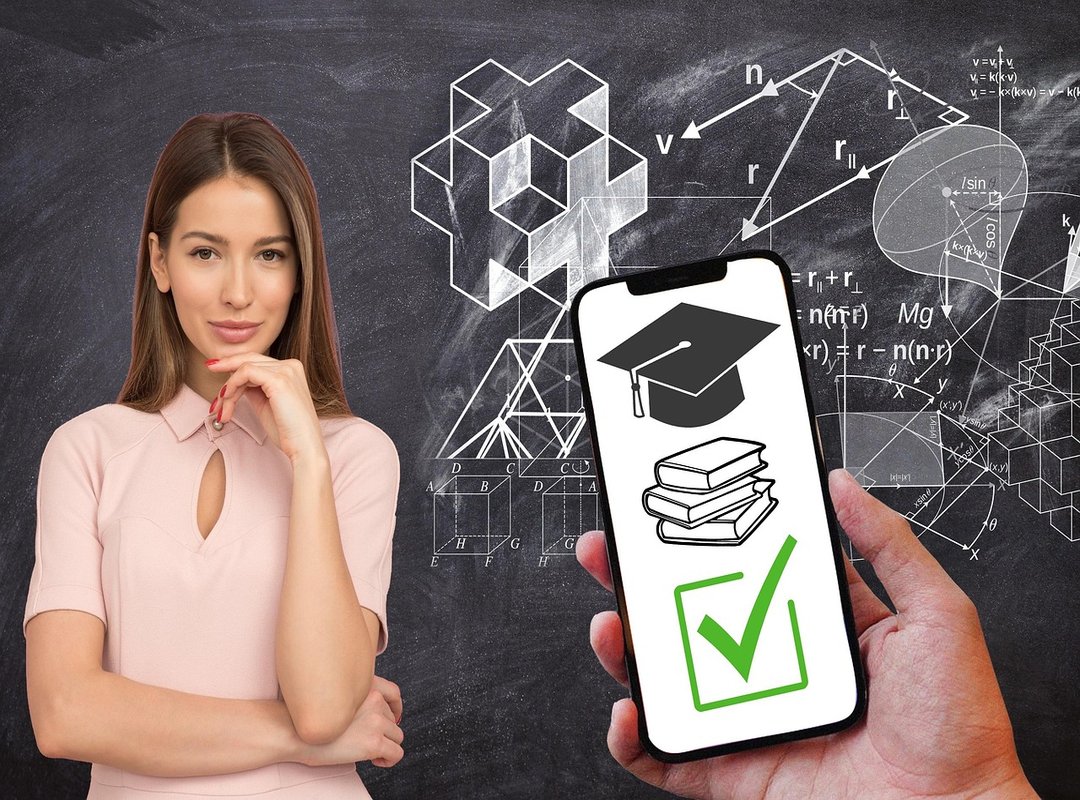
From math to history, these games are designed to teach specific skills. They influence how we acquire new knowledge. Pretty wild, right?
Games influence skills by engaging users in a way traditional methods often fail to do.
Take “MinecraftEdu” as a case study. It’s a version of the popular game “Minecraft,” tailored for educational use. Teachers use this to teach everything from physics to art.
The impact? Kids are not just playing; they’re learning complex concepts without even realizing it. That’s the power of a well-designed educational game.
But are they just a gimmick? Nope. Research backs this up.
A study on the benefits of playing video games shows that games boost cognitive skills. Key thinking and problem-solving are just the tip of the iceberg.
So, can games replace traditional methods? Not exactly. But they’re a killer supplement.
Imagine using games to reinforce what you’ve learned in class. It’s like having a study buddy in your pocket. Who wouldn’t want that?
Games That Shape Skills: The Right Picks
Picking the right game is like choosing the perfect soundtrack for your life. You want something that moves you. When it comes to games, they should entertain but also sharpen your mind.
Here’s my take: think about what skills you want to boost. Are you after plan, creativity, or maybe faster reflexes?
Games influence skills in ways you might not expect. Take “Portal” for example. It’s a puzzle game that will stretch your brain like yoga for your neurons.
Want teamwork and communication? Go for “Overcooked!” Just don’t blame me when you end up shouting at your teammates.
Now, how do we balance fun with skill development? Remember, games should be fun first. Skill-building is just a bonus (or a sneaky side effect).
If you’re gaming with kids, consider age-appropriate options. “Minecraft” is brilliant for creativity across ages, while “Fortnite” can boost strategic thinking.
Curious about gender diversity in gaming? This guide dives into it. Learning about this can change how you see the gaming world.
In the end, the right game can be big. Just pick what excites you and watch your skills soar!
Game On: Embrace the Benefits
Games influence skills in ways you might not expect. They sharpen your mind, boost your physical coordination, and boost your social interactions. That’s not just hype; it’s real.
I encourage you to dive into gaming with fresh eyes. Try out some of the recommended games and see for yourself.
Are you ready to open up your potential? Don’t let doubts hold you back. The benefits are waiting.
Explore the world of gaming today. Embrace it as a tool for growth. You won’t regret it.
Start playing and watch how games influence skills in your life.