
Teamwork makes or breaks a game. Ever notice how the best players strategize together? That’s where team-based gaming strategies shine.
I’ve seen countless players struggle solo, thinking they can carry the team alone. Spoiler alert: they usually can’t. If you want to level up your gameplay and dominate the competition, you need to understand how to work with your team.
This article dives into strategies that actually work, based on my experience and takeaways from competitive players. You’ll learn how to communicate better, use roles effectively, and adapt to your teammates’ strengths.
I talk about real scenarios that can make a difference during key moments in a match.
Trust me, mastering these strategies can transform your gaming experience.
So if you’re ready to open up your team’s potential and raise your game, keep reading. You’re about to learn what it takes to succeed together.
The Foundation: Crystal-Clear Communication Strategies
Effective communication is the backbone of any team-based gaming plan. It separates victorious squads from those doomed to respawn. You know that feeling when you’re in the zone, and everyone’s on the same page?
That’s not luck. It’s purposeful information exchange, not just mindless chatter.
In-game communication protocols are key. You need to prioritize enemy positions, ability cooldowns, and target focus. Forget the fluff.
Keep it short and clear. Use callouts like “enemy left” or “ult ready.” Game-specific pings or voice commands? Gold.
They cut through noise and get straight to the point.
Acknowledge your teammates. Confirm what you hear. That’s how trust builds.
But here’s the kicker. Communication isn’t just about talking. It’s about listening too.
No one wants to feel ignored, right?
And emotions? Oh, they run high. When that happens, stay calm.
Offer constructive feedback, even if your blood’s boiling. It’s like being the adult in the room (someone) has to do it.
Remember, communication is a skill. Hone it, and watch your team go from good to unstoppable. So, are you ready to level up your game?
Roles and Combo: A Winning Formula
When a team lacks structure, chaos reigns. I’ve seen it too many times: players floundering in roles they’re not cut out for. Who’s to blame when the healer can’t heal?
Or when the tank goes rogue?
Understanding role definition is key in team-based gaming strategies. Tanks absorb damage, healers keep everyone alive, damage dealers crush opponents, and support provides that key backup. But it’s not just about knowing the roles.
It’s about knowing who fits each role best. self-assessment comes in. Ask yourself: where do I shine?
Talk to your team. Honest conversations help identify strengths and weaknesses. Once you know who does what best, assigning roles gets easier.
But don’t get too comfy. Flexibility is key. Teams that adapt to game modes and opponents come out on top.
Practice switching roles. It doesn’t just make you versatile; it keeps opponents guessing. That’s the kind of skill that separates the pros from the amateurs.
For more on why being adaptable is key, check out this Adaptability Key Gaming Success article. Trust me, it’s worth a read. Embrace the chaos, but control it.
Mastering Team Strategies: From Plan to Victory
Ever been in a game where your team just crumbles? Yeah, me too. It’s all about strategic planning and flawless execution.
Before the match even starts, we talk. What’s our plan? We discuss objectives, enemy compositions, and early movements.
I know, sounds obvious, but you’d be surprised how many skip this.
In-game, it gets trickier. Communication is key. Someone’s gotta be the shot-caller (trust me, it works) while everyone voices their thoughts.
But don’t let one person dictate everything. Balance is key.
Want to get better at maneuvers like flanking or bait-and-switch? Practice. Don’t just wing it and expect victories.
And here’s a pro tip: focus fire on key targets. Always. This isn’t just about being good at individual skills.
It’s not magic, it’s skill and coordination.
It’s about making those skills work together like a well-oiled machine.
Curious how to raise your setup for ultimate gameplay? Check out this guide. It might just give you that extra edge you’ve been missing.
Now go out there and own the battlefield!
Mastering Setbacks: Team Strategies
I’ve seen teams crumble when faced with unexpected hurdles. It’s brutal. But here’s the thing: successful teams don’t dwell.
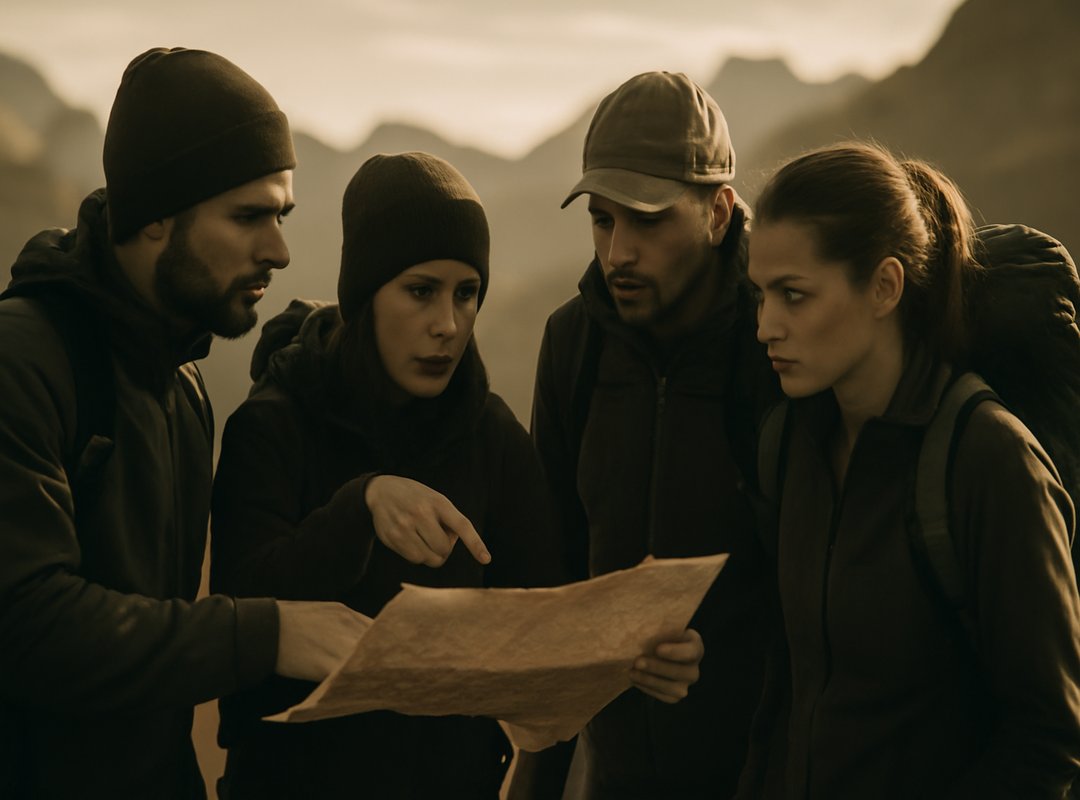
They adapt. In team-based gaming strategies, the ability to pivot mid-game is everything. How often have you thought, “We need a new plan”?
Recognizing when your plan isn’t working is key. You need to pivot, and fast.
When your team’s wiped, instead of pointing fingers, regroup. Reassess the enemy’s moves and change your objectives. If you’re still sticking to your original plan, you’re already losing.
Adaptability separates winners from losers.
Communication is another beast. Clarity and direction keep the team aligned. For more on that, check out this multiplayer gaming communication guide: team ….
It’s practical. And remember, losing a round isn’t the end. It’s a chance to learn.
Real-time learning is golden. Mistakes aren’t failures; they’re lessons. Embrace them. A positive outlook can change your game. When setbacks occur, see them as opportunities. The game isn’t over until it’s over, right? Pro tip: Never underestimate the power of a fresh perspective.
Team Spirit: Winning Through Mindset
In team-based gaming strategies, psychology is the ace up your sleeve. Trust and respect among teammates aren’t just ideal. They’re important.
Without them, communication tanks, and execution falls apart. Ever been in a game where everyone’s yelling and no one’s listening? Total chaos.
Positive reinforcement is your secret weapon. Celebrate those small wins. They boost morale and keep the team hungry for more.
But don’t sugarcoat everything (there’s) a fine line. Constructive criticism is needed, too. Call out what needs fixing, but do it with respect.
Avoid the toxicity trap. It only drains energy and focus.
Emotional intelligence matters more than you’d think. Managing stress and understanding frustrations can change the game. Literally.
Resilience keeps your squad in the match, even when the chips are down. Ever had a teammate flip out mid-game? Not helpful, right?
After the match, get real. Analyze what worked and what didn’t. It’s not about placing blame but identifying areas for improvement.
Reinforce good habits, leave the ego at the door. You play to win, not to feed egos. Keep the focus on bettering the team, not individual glory.
Winning is sweeter when it’s shared.
Take Action Now
You’re ready to tackle the struggle of disjointed teams.
I’ve laid out key team-based gaming strategies that can turn your gaming sessions around. Clear communication, defined roles, strategic execution, adaptability, and a positive mindset are your tools. You need to put these tactics into play immediately.
The results won’t happen overnight, so practice patience. Analyze how your team performs after making these changes.
Are you eager to dominate the competition? Start implementing these collaborative gaming tactics today.
You’re not just playing games; you’re building teamwork that leads to consistent wins. The time to act is now. Don’t wait.
Get your team aligned and watch your performance soar. Let’s go crush those challenges together!