

Missing notes or breaking combos in rhythm games is frustrating. You feel like you’re on beat, yet something is off. It’s a common struggle.
Many players can’t nail down consistent timing in rhythm games. This inconsistency holds you back from truly enjoying or excelling in your favorites.
I get it. I’ve been there too.
Mastering timing is key to level up your game. You need to know what timing really means and how to achieve it.
This guide dives deep into the mechanics behind perfect timing. I’ll break down the psychology of rhythm games and share proven strategies to help you transform from an inconsistent player to a rhythm master.
Trust me, understanding timing can change everything. With the right takeaways, you’ll enjoy the satisfaction of hitting every note while keeping your combos alive. Let’s get started and turn your rhythm game experience around.
Timing in Rhythm Games: Hit the Beat or Miss the Mark
Timing in rhythm games is all about hitting a button exactly when the game expects it. It’s not just a simple click. It’s about syncing with the music or visual cues, and trust me, it’s harder than it sounds.
The real kicker? The “hit window”. This isn’t just a single moment.
It’s a tiny window of time where your inputs are judged as “perfect,” “great,” or “good.” Miss that window, and you’re toast.
Some games lean more on visual cues, while others make you rely on your ears. Personally, I find myself favoring auditory cues, but that’s just me. What about you?
Are you a sight or sound person? Your preference can totally mess with your timing.
Let’s talk mechanics. Every button press, tap, or swipe needs precision. Your accuracy decides your score and ultimately your bragging rights.
Guitar Hero demands strumming with precision, while Beat Saber makes you swipe through blocks like a Jedi. Scoring big sports video games might be about plan, but rhythm games are all about timing.
Pro tip: Practicing with different games can sharpen your timing skills. You might surprise yourself with how quickly you adapt. It’s all about finding your groove.
Timing is Everything: Rhythm Gamers’ Secret to Success
Let’s talk about timing in rhythm games. It’s your secret weapon. Hit those notes with precision and watch your score skyrocket.
You ever notice how even a tiny timing tweak can rake in more points? It’s the difference between unlocking that juicy new content or staying stuck in noobville.
Ever get into the zone and feel like you’re part of the game? That’s the “flow state,” and it’s golden. When timing clicks, frustration fades, and fun takes over.
Seriously, who doesn’t want to feel like a rockstar crushing a solo? And let’s be real, if you’re aiming for esports glory, perfect timing isn’t just a tool. It’s a non-negotiable must-have.
Combo chains? Yeah, they’re all about timing too. Nail those, and it’s a multiplier bonanza.
Timing here isn’t just about the score. It’s about satisfaction, that juicy dopamine hit. Need proof?
Check out this thread where players share their tips and revelations.
So, are you ready to tweak your timing? Watch how a tiny improvement can overhaul your entire game. Because, in rhythm games, timing really is everything.
The Hidden Science: Lag, Input Delay, and Calibration
Ever notice that tiny gap between pressing a button and your action appearing on screen? That’s input delay for you. It’s the sneaky culprit in games, especially meddling with timing in rhythm games.
So why does it happen? Blame it on hardware, software, or even your display.
Let’s talk about display lag next. Your TV or monitor isn’t as innocent as it looks. Older models and larger screens can introduce delays, messing up your timing.
Imagine you’re drumming to the beat, and your screen decides to take a nap. Infuriating, right?
And then there’s audio delay. Your sound system might process audio slower than video, leading to that dreaded desync. Ever watched a movie where the lips move but the words come later?
Same thing. It’s the stuff of nightmares for rhythm gamers.
Now, in-game calibration is your best friend. Rhythm games usually have settings to help you adjust for these delays. It’s like giving you a magic wand to sync your inputs perfectly.
Game developers know these issues and often include tools. Use them. Seriously.
Got a pro tip? Use wired controllers. They cut down on potential delays.
And don’t forget to let game mode on your TV. It helps by bypassing some of the processing. Minimize those background processes too.
They eat up resources and add to your woes.
So, are you ready to tackle these sneaky lags? With a little calibration and some smart tweaks, you’ll be back in the rhythm in no time.
Sharpen Your Internal Metronome: Practical Timing Drills
Timing in rhythm games isn’t some mystical knack you just get. It’s a skill. You work at it, like anything else in life.
Without practice, you’re just hitting buttons in chaos. Consistent practice is where the magic happens.
Listening exercises? They’re your best friend. Play a song, but don’t look at your notes.
Just listen. Feel the rhythm and imagine your inputs. This isn’t just about hearing, it’s about building that internal clock.
Now, let’s talk ‘slow-mo’ practice. You want to nail those patterns? Slow down your gameplay.
Perfect your input timing before you ramp up the speed. Slow isn’t boring. It’s smart training.
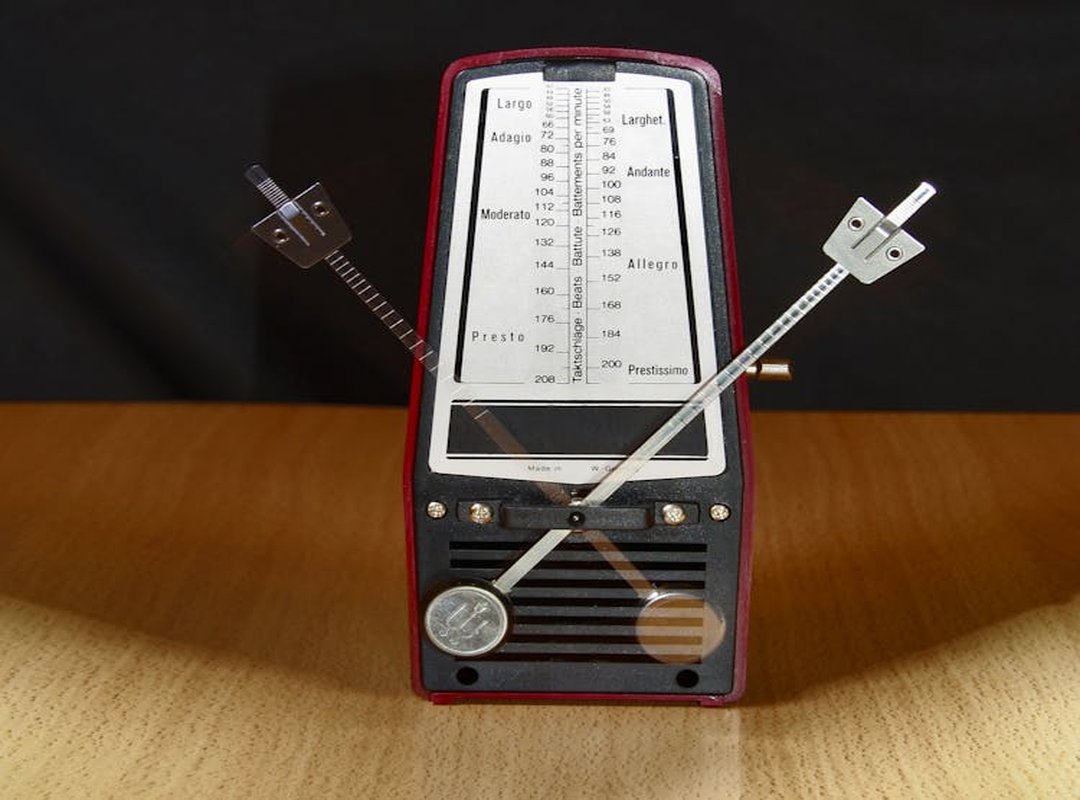
Metronomes aren’t just for musicians. Practicing with one sharpens your internal rhythm. It’s like having a personal trainer for your beat.
You can’t always rely on external cues. Build a strong internal sense, and you’ll hold your own in any game.
Chunking patterns? Break complex sequences into bite-sized chunks. You wouldn’t swallow a whole pizza, would you? (Okay, maybe you would.
But it wouldn’t be pretty.) Master each piece one at a time, then string them together. You’ll thank me later.
Recording and reviewing your gameplay is a game-changer. Spot where your timing trips up, and figure out why. It’s like watching game tape in sports.
Pros do it. Why shouldn’t you?
And if you’re into expanding horizons, check out Mastering Stealth Action Games. Timing’s key there too. But that’s a story for another day.
Timing Traps: How to Escape
Timing in rhythm games is a beast. Ever hit a note too early because you were anxious? That’s called over-anticipation.
It’s like your fingers have a mind of their own. The trick? Slow.
It. Down. Now, let’s talk about rushing the beat.
You know, when you speed up like a runaway train. Stay grounded by listening to the game’s cues (not your racing mind). Finger fatigue is real.
Take breaks and fix your posture. And distractions? Tune them out.
Focus on cues, not chaos. Confidence matters too. A calm mindset works wonders.
Trust me, I’ve been there.
Level Up Your Rhythm Game Now
You’ve got a solid grasp on timing in rhythm games. You understand the frustration of missing notes and inconsistent timing. The good news?
With the right strategies, you can fix that. Focus on game mechanics, calibrate your setup, and practice with purpose. These techniques will sharpen your rhythm and boost your performance.
So, why wait? Put these strategies into action during your next gaming session. If you want to dive deeper into your skillset, check out more important gaming guides.
Your next level awaits. Don’t miss out. Explore now and start dominating those beat maps!