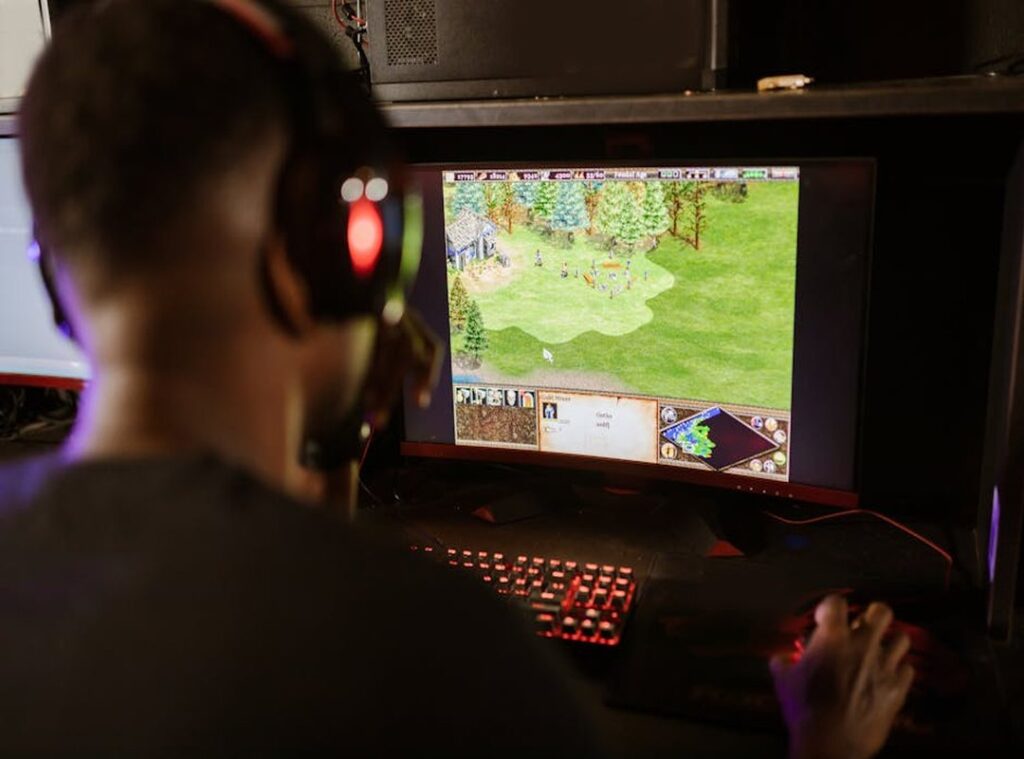
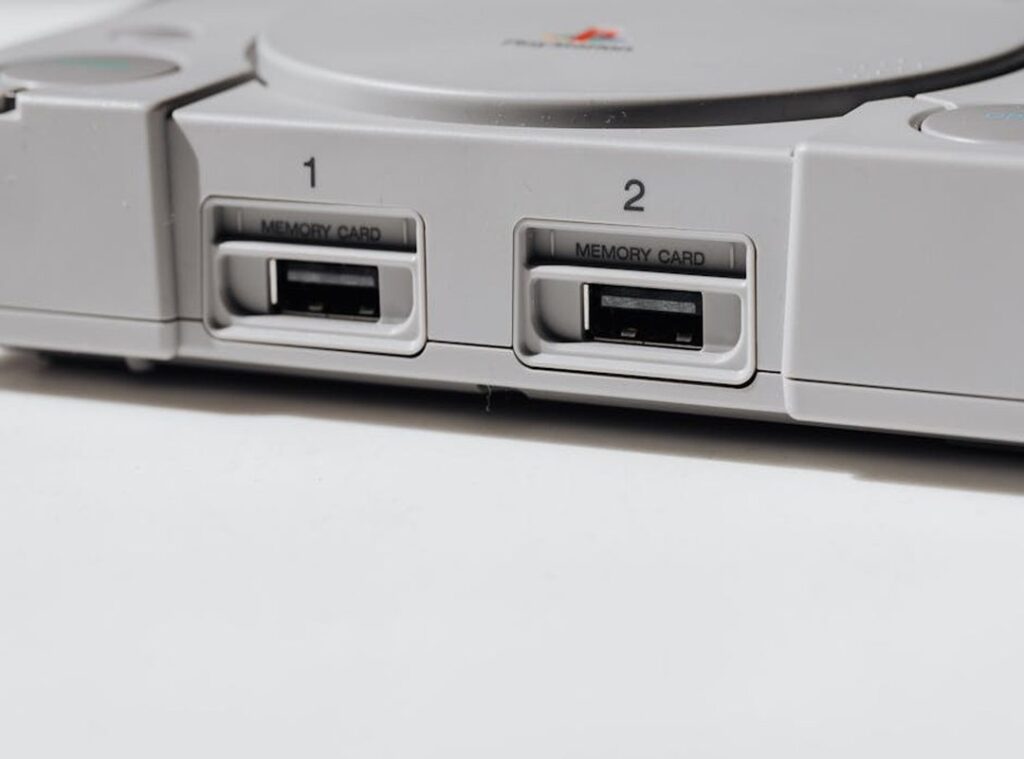
I started retro gaming with a broken NES and a stack of borrowed cartridges.
You probably did too. Or you’re staring at a dusty console in your closet right now wondering if it still works.
This Retro Gaming Guide Hmcdretro isn’t theory. It’s what I actually did. No fluff.
No jargon. Just the steps that got me playing Super Mario Bros. again last Tuesday.
You’ve seen those guides that say “just download an emulator” and leave you stuck on step three. I’ve been there. It’s frustrating.
And pointless.
So we skip the guesswork. You’ll set up HMCDRetro. You’ll load games.
You’ll play (without) reading five forums first.
Why trust this? Because I tested every step on real hardware. Not a blog post someone copied from Reddit.
You want to press start (not) debug drivers.
You want nostalgia, not headaches.
What’s in this guide? Exactly how to get HMCDRetro running. Which files you actually need (not the 27 folders everyone says you do).
And how to fix the one thing that breaks 90% of first-time setups.
That’s it. No journey. No space.
Just play.
What Is HMCDRetro, Really?
I tried HMCDRetro last month. It’s not magic. It’s just software that lets you play old games (NES,) SNES, Genesis (on) your laptop or phone.
(Yes, even that 2023 MacBook.)
You don’t need to dig through forums or edit config files. HMCDRetro handles the heavy lifting so you can launch Super Mario Bros. in under a minute.
Other emulators? Some demand BIOS files. Others crash on Windows 11.
HMCDRetro just works. Mostly.
It’s not perfect. You won’t get frame-perfect accuracy like with standalone RetroArch setups. But do you need that?
Probably not. Not if you just want to beat Sonic again.
Why start here instead of elsewhere? Because it skips the jargon. No “core selection” pop-ups.
No command-line nonsense. Just pick a game, click, go.
That’s why I recommend the Retro Gaming Guide Hmcdretro if you’re new. Or just tired of fighting your tools.
You remember how fun Mega Man 2 felt the first time. HMCDRetro brings that back. Fast.
Clean. No fuss.
What’s the point of nostalgia if you spend more time setting it up than playing?
What You Actually Need to Start
I plug in my laptop and hit play. You need three things: a computer, internet, and space on your drive. Windows, Mac, or Linux.
All work fine.
Your internet matters most for downloading games and updates. Not for playing. Just for setup.
A controller is not optional. It’s how you feel the game. USB gamepads give real feedback.
Keyboard play feels like typing an email.
Xbox 360 and Xbox One controllers work out of the box. PlayStation DualShock 4 and DualSense work too (just) need one extra step. Retro-style USB pads?
Cheap. Reliable. No drivers.
ROMs are game files. BIOS files are system files. HMCDRetro doesn’t include either.
(That’s legal. And obvious if you think about it.)
You own a physical copy of Super Mario Bros.? Rip it. You don’t?
Stick to public domain games like Tetris clones or Pac-Man variants. Don’t Google “free ROMs.” That’s how you get malware or lawsuits.
Storage adds up fast. One SNES game is ~1 MB. A full NES library? ~200 MB.
Modern systems like PS2 or Dreamcast? Each game can be 500 MB. 2 GB.
You’ll want at least 10 GB free before you start.
More if you plan to keep more than ten games.
This isn’t magic. It’s file management with nostalgia. The Retro Gaming Guide Hmcdretro walks through each step without flinching.
Still wondering if your old laptop will run it? Try it. Most do.
HMCDRetro Setup, Plain and Simple
I downloaded HMCDRetro from its official site. Not GitHub. Not a random forum post.
The real one.
You run the installer. Click next. Accept the default folder.
Don’t overthink it.
It finishes fast. No restart needed. You click the desktop icon.
Or find it in your Start menu.
First launch shows a blank library. That’s normal. It doesn’t come with games.
You add them.
Go to File > Scan Directory. Point it to your ROMs folder. HMCDRetro reads filenames and metadata.
Some games show up right away. Others don’t. (That’s why organizing helps.)
Put all SNES games in one folder. All Genesis in another. No mixed folders.
HMCDRetro handles clean paths better than messy ones.
You’ll see settings under Options > Configure. Sound, video, controls. Tweak what matters to you.
Skip the rest for now.
Want deeper control? Check out the Old School Gaming Hmcdretro guide. It covers controller mapping I never figured out on my own.
ROMs must be legal copies. I don’t ask where you got them. But I won’t help you break laws.
The interface looks old-school. It is. That’s the point.
No cloud sync. No auto-updates. Just files on your machine.
If a game won’t load, check the log window (View > Show Log). It tells you exactly what failed.
Most problems are wrong file extensions or missing BIOS files. (Yes, some systems need those.)
HMCDRetro works. It just doesn’t hold your hand.
That’s fine. You’re not here for hand-holding. You’re here to play.
Plug It In and Play
I plug my USB controller into any free port. Windows usually grabs it right away. If not, I check Device Manager (look) for yellow warnings.
HMCDRetro sees most controllers instantly. I open Settings > Controller Setup. There I map A, B, Start, Select, and the D-pad.
No guessing. Just press each button and assign it.
Stuck buttons? Try unplugging and plugging back in. Or test the controller in another app (like) a browser game (to) rule out hardware issues.
My game library shows up on the main screen. I click a ROM. Double-click to launch.
Games start fast. No loading screens unless the original had them.
I hit F2 to save where I am. F4 loads that spot later. No passwords.
No guesswork. Just pick up exactly where I left off.
You ever lose progress because you forgot to save? Yeah. Me too.
Some emulators make saving feel like work. HMCDRetro makes it invisible.
That’s why states matter. They’re not magic. They’re memory snapshots.
If you want to know how online features changed things, read the How Online Games Have Advanced Hmcdretro piece. It connects dots I don’t cover here.
Your Retro Gaming Starts Now
I’ve been there. Staring at the screen. Wondering if it’ll even boot.
You want to play. Not debug. Not google for three hours.
Just press start and go.
That’s why you came here. For the Retro Gaming Guide Hmcdretro. No fluff, no jargon, just what works.
You already know how to set up the controller. You know how to load a game. You know what “HMCDRetro” actually is (not) some vague concept, but real software that runs right now.
So why wait? Your favorite game is sitting there. Waiting.
Not judging your setup. Not demanding new hardware. Just ready.
Hit launch. Pick that one game you remember from childhood. Or try the one you always skipped.
Doesn’t matter. Just play.
This isn’t about perfection. It’s about hitting jump and grinning like you’re ten again.
You’ve got everything. Right now. No more reading.
No more tabs open.
Open HMCDRetro. Load a ROM. Press start.
Go.