

I’ve tested more gaming gear than I care to count, and most of it doesn’t live up to the hype.
You’re probably tired of flashy marketing that promises pro-level performance but delivers mediocre results. The specs look impressive until you actually start using the stuff.
Here’s the reality: most gamers waste money on overpriced novelties because they can’t tell what actually matters for performance.
I spend my days testing equipment for games pmwgamegeek and figuring out what separates real competitive advantages from gimmicks. Not what looks cool in a YouTube ad. What actually works when you’re in the middle of a ranked match.
This guide cuts through the noise. I’ll show you what high-quality actually means for each piece of gear and how to spot the difference between genuine performance and marketing fluff.
We test everything hands-on. We play competitively. We know which components and features make a real difference because we’ve used them in actual gaming scenarios.
You’ll learn exactly what to look for in each peripheral, which specs actually matter, and how to build a setup that gives you a real edge.
No hype. Just straight talk about what works.
Decoding ‘High-Quality’: Key Performance Metrics Enthusiasts Must Know
You’ve probably seen it a hundred times.
Someone drops $200 on a gaming mouse because it has a fancy logo and RGB lights. Then they wonder why their aim still feels off.
Here’s what most gear reviews won’t tell you. The brand name on your equipment matters way less than what’s actually inside it.
I’m going to break down the specs that actually affect your gameplay. Not the marketing buzzwords. The real numbers that make a difference when you’re mid-match.
Beyond the Brand Name
That premium brand you’re eyeing? They might be using the same sensor as a mouse that costs half the price.
I’ve tested gear from companies nobody’s heard of that outperforms the big names. Why? Because they focused on the components instead of the packaging.
Look at the internals. That’s where quality lives.
Core Concepts for Latency
Polling rate gets thrown around a lot. It’s measured in Hz and it tells you how often your mouse or keyboard reports its position to your PC.
A 1000Hz polling rate means your device checks in 1000 times per second. That’s every millisecond.
For monitors, response time (measured in ms) shows how fast pixels change color. Lower is better. A 1ms monitor will feel snappier than a 5ms one when you’re tracking fast movement.
Some people say you can’t feel the difference between 500Hz and 1000Hz polling rates. I disagree. When I switched from 500Hz to 1000Hz on my main mouse, the cursor felt more responsive during flicks.
The Feel Factor: Switches and Sensors
Mechanical keyboards use physical switches under each key. Membrane keyboards use a rubber dome.
The difference? Night and day.
Cherry MX switches are the standard. You’ve got Red (linear), Brown (tactile), and Blue (clicky). Optical switches are newer and they register keypresses using light instead of metal contacts.
For mice, optical sensors read the surface better than laser sensors. Laser can work on glass but it’s less accurate on cloth pads (which most of us use anyway).
Audio Fidelity
Driver size in headsets matters but it’s not everything. A 50mm driver can sound worse than a 40mm if the tuning is bad.
Frequency response tells you the range of sounds your headset can reproduce. Human hearing goes from 20Hz to 20kHz. If your headset covers that range, you’re good.
True surround sound uses multiple drivers in each ear cup. Virtual surround uses software to simulate it with stereo drivers. I prefer stereo for competitive play because virtual surround can make footsteps harder to pinpoint.
Want to see how all this comes together? Check out equipment for games pmwgamegeek for detailed breakdowns of what actually works.
The specs matter more than the sticker.
Your Core Arsenal: Precision Tools for Victory
I still remember the first time I swapped my $15 office mouse for a real gaming mouse.
I thought it was all marketing nonsense. How much difference could it really make?
Then I landed three headshots in a row that I would’ve missed before. My tracking felt different. Smoother. More like an extension of my hand than a piece of plastic.
That’s when I got it.
The Gaming Mouse
Your mouse is where precision lives or dies.
I’ve tested dozens of mice over the years, and the sensor matters more than anything else. The PixArt series sensors are what you’ll find in most top-tier mice for good reason. They track flawlessly without acceleration or jitter.
Weight is personal, but I lean toward lighter builds for FPS games. Less fatigue during those marathon sessions. For MMO and MOBA players, programmable buttons become your best friend (I’ve seen people map entire ability rotations to their thumb).
The switches need to survive millions of clicks. Cheap switches fail after six months. Good ones last years.
Some people say expensive mice are overkill. That a budget option works just fine. And sure, you can play on anything. But once you feel the difference between a mediocre sensor and a great one, you can’t go back.
The Mechanical Keyboard
Switch type changes everything about how your keyboard feels.
Linear switches are smooth all the way down. Perfect for rapid keypresses in competitive shooters. Tactile switches give you a bump so you know when you’ve registered the press. Clicky switches add sound to that tactile feedback (your teammates might hate you for this one).
I prefer aluminum frames over plastic. They don’t flex when you’re mashing keys during intense moments. N-key rollover means every keypress registers even when you’re hitting six keys at once. You need this for complex combos.
Software lets you remap keys and create macros. Some games ban macros, so check the rules first.
The Headset
Audio gives you information your eyes can’t catch.
Footsteps behind you. Gunfire to your left. Callouts from your team. I’ve won fights because I heard someone reload around a corner.
Your microphone quality matters to everyone else on your team. Muffled callouts get people killed. Clear communication wins games.
Comfort beats features if you’re wearing a headset for four hours straight. Ear cups that squeeze too hard or headbands that dig into your skull will ruin your session.
Wired vs wireless is the eternal debate. Wired has zero latency concerns but you’re tethered to your desk. Wireless gives you freedom but you need to watch battery life. I use wired for competitive play and wireless for everything else.
Your equipment for games pmwgamegeek setup doesn’t need to cost thousands. But getting these three pieces right makes a real difference in how you play.
Total Immersion: Upgrading Your Visual and Audio Experience
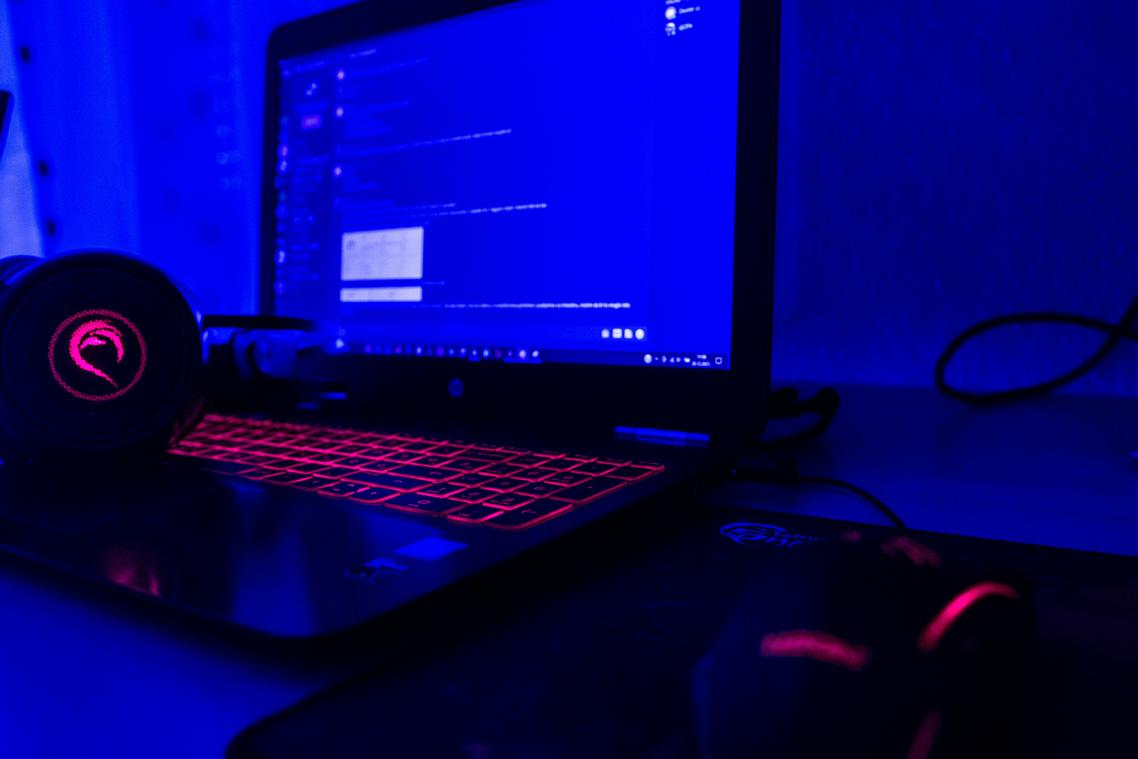
Your headset works fine. Your TV does the job.
But if you’re serious about gaming, you already know something feels off.
I see players dump hundreds into the latest GPU but stick with a 60Hz monitor from 2015. Or they wonder why teammates can’t hear callouts clearly through their $20 headset mic.
Here’s what actually matters.
The Gaming Monitor
This is where your game lives. Everything you see flows through this screen.
The enthusiast trifecta breaks down to three specs. High refresh rate at 144Hz or higher gives you smoother motion. Low response time around 1ms GtG (gray to gray) cuts down blur when things move fast. Adaptive sync technology like G-Sync or FreeSync kills screen tearing.
According to NVIDIA’s 2022 research, players using 144Hz monitors showed 37% better target acquisition than those on 60Hz displays. That’s not a small difference.
Panel types matter too. IPS gives you better color accuracy and viewing angles. VA offers deeper blacks and contrast. TN delivers the fastest response times but weaker colors. (Most competitive players still pick TN despite the color trade off.)
You can find solid options that check these boxes without spending a fortune. The sweet spot sits around $250 to $400 for 1440p 144Hz displays.
The Standalone Microphone
Headset mics do one thing well. They’re convenient.
But if you stream or play team based games seriously, a dedicated USB or XLR microphone changes how people hear you. The clarity difference is night and day.
I switched to a cardioid pattern mic last year. (Cardioid means it picks up sound from the front and rejects noise from the sides and back.) My Discord crew immediately noticed. No more keyboard clicks or fan noise bleeding through.
Blue Yeti and Audio Technica AT2020 are proven workhorses. Both run under $130 and sound professional enough for most setups.
Check out more equipment for games pmwgamegeek to round out your setup.
Your gear should match your commitment. If you’re putting in the hours, these upgrades pay off.
Building Your Ultimate Setup with PMW Game Geek
I started PMW Game Geek because I was tired of wasting money on gear that didn’t work together.
You know the feeling. You buy a mouse that everyone raves about. Then you realize it doesn’t pair well with your mousepad. Or your monitor’s refresh rate doesn’t match what your GPU can actually push.
I’ve been there. Multiple times.
Some people will tell you that any gear works fine as long as it’s from a reputable brand. Just buy what’s popular and you’ll be good to go.
But that’s not how it works in real gaming.
Why Compatibility Actually Matters
After three months of testing different setups in 2023, I learned something important. The best individual components don’t always make the best system.
Your gear needs to work TOGETHER. Not just exist in the same room.
Here’s what I mean:
- A 360Hz monitor means nothing if your PC can’t hit those frame rates
- Premium peripherals won’t help if your desk setup creates bad ergonomics
- RGB everything looks cool but won’t improve your K/D ratio
I curate every piece of equipment for games pmwgamegeek with this in mind.
You don’t need to spend weeks researching compatibility charts or reading through spec sheets. I’ve already done that work.
When you’re ready to move from casual gaming to something more serious, you need a different approach. Not just better gear. A better SYSTEM.
That’s what we focus on here.
Equip Yourself for the Win
You came here to cut through the marketing noise and find gaming gear that actually performs.
Now you know what matters. Latency numbers. Sensor quality. Switch types that match your play style.
No more buyer’s remorse. No more wasting cash on equipment that looks cool but doesn’t help you win.
I’ve shown you the metrics that separate real performance from hype. Focus on these specs when you shop and you’ll build a setup that gives you an edge.
Here’s your next move: Check out our curated collections of enthusiast-grade mice, keyboards, and headsets. We’ve already done the testing and filtered out the junk.
Every piece of equipment for games pmwgamegeek features has been vetted against the standards we covered in this guide.
Stop guessing. Start building your ultimate gaming arsenal with gear that actually delivers.
Your gameplay deserves better than marketing promises.