
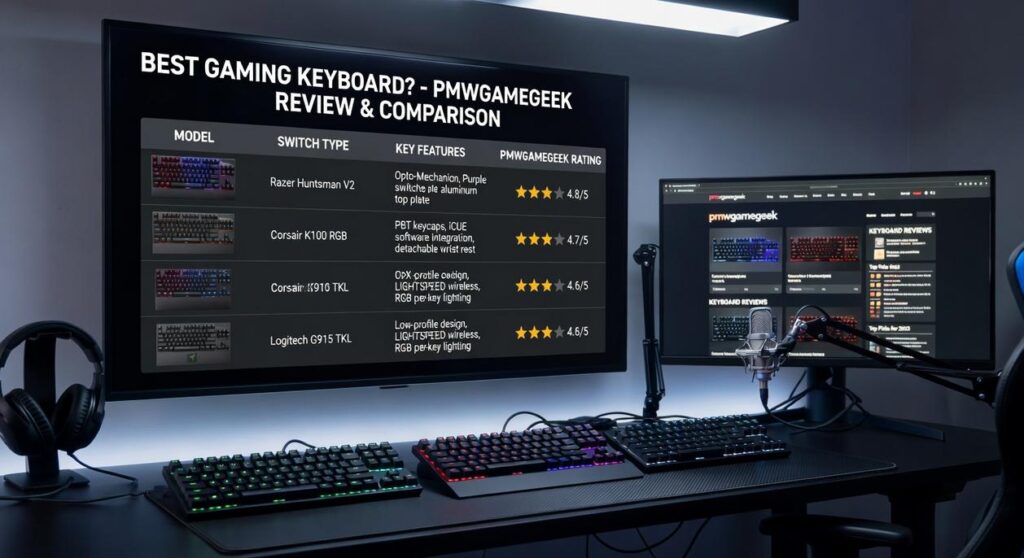
I know you’re here because you typed something like “PMW sensor gaming keyboard” into Google.
Here’s the thing: PMW sensors are for gaming mice, not keyboards. But I get why you searched that. You want the same kind of precision and speed in your keyboard that PMW sensors deliver in mice.
You’re looking for a keyboard that responds instantly. One that registers every keypress without lag or missed inputs. The kind of gear that actually makes a difference when you’re playing at a high level.
The problem? Companies throw around terms like “optical switches” and “polling rates” without explaining what any of it means for your actual gameplay.
I’ve tested dozens of gaming keyboards over the past few years. I’ve measured response times, compared switch technologies, and figured out which features actually matter (and which ones are just marketing).
This guide will show you what really makes a keyboard fast. I’ll explain the technology that delivers the performance you’re after. No confusing jargon. Just the facts about what works.
You’ll learn which switch types respond fastest, what polling rates you actually need, and which gaming keyboard is best pmwgamegeek for different play styles and budgets.
By the end, you’ll know exactly what to look for and which models deliver real performance.
Clearing the Confusion: Do Keyboards Use PMW Sensors?
Let me clear this up right now.
No. Keyboards don’t use PMW sensors.
And honestly, I see why this question comes up. You’ve probably heard PMW sensors mentioned everywhere when people talk about gaming gear. They’re the tracking tech that makes high-end mice so precise.
But here’s what’s actually happening with keyboards.
What Keyboards Actually Use
The tech that matters in a keyboard isn’t a sensor at all. It’s the switch under each key.
That switch is what registers when you press down. It’s what determines how fast your input gets recognized and how reliable that registration is every single time.
Think of it this way. A mouse needs to track where you’re moving. A keyboard needs to know when you’ve pressed a key. Two completely different jobs.
Now, you’re not wrong to make the connection. You want the same thing from both devices: faster response, better accuracy, and gear that won’t let you down mid-game.
For keyboards, that means looking at switch technology instead of sensors. Mechanical switches, optical switches, hall effect switches. That’s where the real performance difference lives.
When you’re trying to figure out which gaming keyboard is best pmwgamegeek has breakdowns of how different switch types actually perform. Because the switch is your keyboard’s equivalent of a PMW sensor.
Same goal. Different technology.
So next time someone talks about sensors in keyboards, you’ll know they’re probably confused about what actually makes these things tick.
The Real Performance Tech: Optical vs. Hall Effect Switches
You want to know which switch tech actually makes you faster.
Not which one sounds cool in marketing copy. Which one gives you a real edge.
I’ve tested both. And honestly, the answer isn’t what most people expect.
What are Optical Switches?
These use light instead of metal contacts. When you press a key, the stem breaks a light beam and sends a signal instantly. No debounce delay like you get with traditional mechanical switches.
The result? Near-instantaneous actuation.
Sounds perfect, right?
What are Hall Effect (Magnetic) Switches?
This is where things get interesting.
Hall effect switches use magnets and sensors to measure the EXACT position of every keypress at all times. Not just when it actuates. The entire travel path.
This opens up two features that optical switches simply can’t match.
First, adjustable actuation. You decide how far down a key needs to go before it registers. Want a feather-light 0.1mm? Done. Prefer a firm 4.0mm? You got it.
Second, and this is the big one: Rapid Trigger.
With rapid trigger, your key resets the instant it starts moving back up. It doesn’t need to pass some fixed reset point like every other switch type (including optical).
Here’s What I Recommend
If you play FPS games or rhythm games, hall effect is what you want. The rapid trigger feature alone changes how fast you can counter-strafe in Valorant or hit those impossible patterns in osu!.
I’m not exaggerating when I say it feels unfair.
Optical switches are good. They’re fast and reliable. But they can’t adjust on the fly like hall effect can.
For which gaming keyboard is best pmwgamegeek, I always point people toward hall effect boards now. The technology just does more.
Are optical switches bad? No. They’re still better than standard mechanical switches.
But if you’re asking me what to buy today, hall effect wins. The gap isn’t even close anymore.
Top 3 Gaming Keyboards with Elite Performance Technology
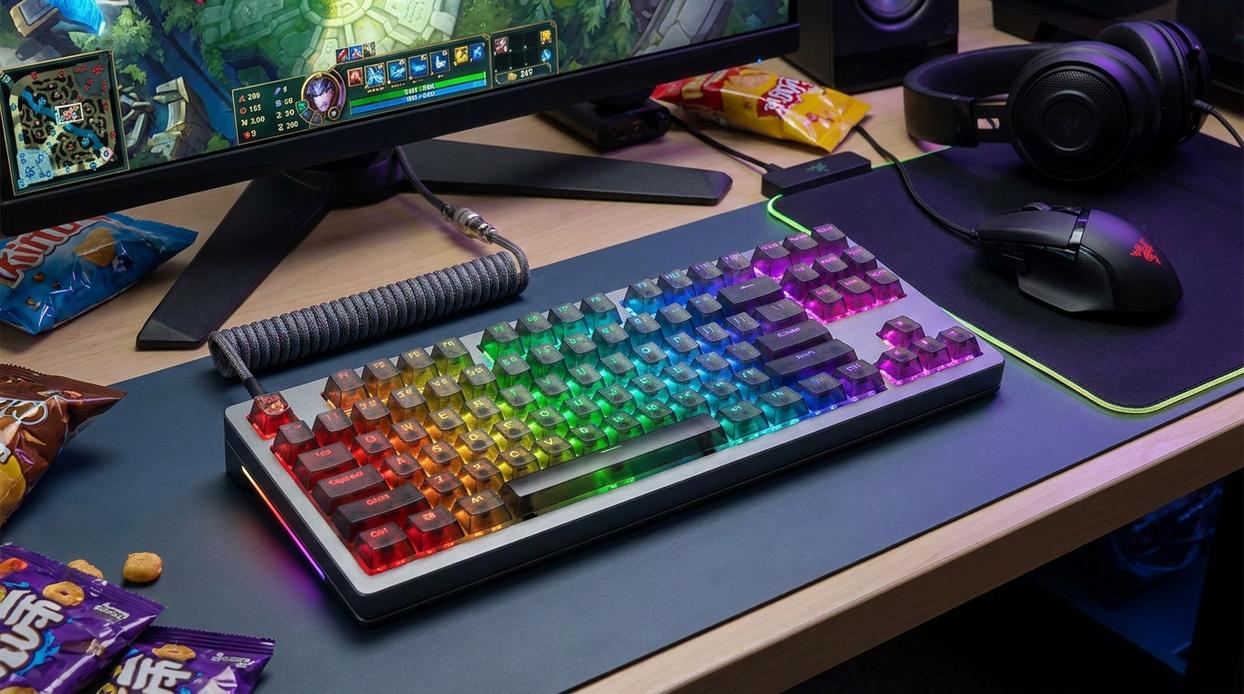
Model 1: The Magnetic Master (SteelSeries Apex Pro / Wooting 60HE)
I’ll be honest. Hall Effect switches changed everything for me.
The tech is simple. Magnetic sensors detect keypress distance without physical contact. No wear, no degradation over time.
But here’s what matters. You can set actuation points per key. Want your movement keys hair-trigger sensitive and your ability keys more deliberate? Done.
Rapid Trigger is the real game changer. The moment you release a key, it resets instantly. No waiting for the switch to travel back up.
If you play CS:GO or Valorant, you already know why this matters. Counter-strafing becomes cleaner. Jiggle peeking feels tighter.
Some people say the difference is minimal. They’re wrong. I’ve tested both, and the response time improvement is noticeable once you adjust.
Best for: Competitive FPS players who want every millisecond advantage they can get.
Model 2: The Optical Speedster (Razer Huntsman V3 Pro)
Optical switches use light beams instead of metal contacts.
The result? Zero debounce delay. The keyboard registers your input the instant the beam breaks.
Razer combined this with adjustable actuation and their version of Rapid Trigger. You get magnetic-level performance with a more polished overall package.
The build quality is what sells me here. Premium materials, better keycaps than most competitors, and software that actually works without crashing every update.
I know Razer gets hate for being mainstream. But this keyboard earned its spot. The performance backs up the price tag.
Best for: Competitive gamers across all genres who want top-tier speed without compromising on features or build quality. Check out more tips for gamers pmwgamegeek to level up your setup.
Model 3: The Pro-Grade Mechanical (Corsair K70 CORE)
Not everyone wants magnetic or optical switches. I get it.
Cherry MX Speed Silver switches are still excellent. Linear, smooth, and fast with a 1.2mm actuation point. They’ve been the competitive standard for years because they work.
The K70 CORE gives you that proven feel with modern features. Dedicated media controls (underrated for streaming), aircraft-grade aluminum frame, and iCUE software that lets you tweak everything.
Here’s my take. If you type a lot between gaming sessions, traditional mechanical switches feel better. The tactile feedback is more satisfying for extended use.
Which gaming keyboard is best pmwgamegeek? It depends on what you value. But if you want reliability and versatility, this is it.
Best for: Gamers who prefer traditional mechanical switches but still demand low latency and performance for both gaming and typing.
Beyond the Switches: Other Features That Matter
Switches get all the attention.
But here’s what most people don’t realize. A keyboard with great switches and terrible everything else? That’s still a terrible keyboard.
I’m going to walk you through the features that actually make a difference when you’re gaming for hours.
Build Quality
You want an aluminum top plate. Period.
Plastic flexes when you’re mashing keys during a clutch moment. Aluminum doesn’t. It keeps everything stable and adds weight so your keyboard isn’t sliding around your desk.
Keycaps
Double-shot PBT keycaps are what you should look for.
Standard ABS keycaps get shiny and gross after a few months (you know that greasy look). PBT resists that. Plus the legends never fade because they’re molded through the entire keycap.
Layout
This one’s personal. Full-size gives you a numpad. TKL drops it for more mouse space. 65% boards are compact but keep arrow keys.
Think about your desk space and what keys you actually use.
Polling Rate
Higher is better. A 1000Hz polling rate means your keyboard checks for inputs 1000 times per second. That’s one millisecond of latency.
Some newer boards go even higher. Does it matter? For competitive gaming, YES.
If you’re still wondering which gaming keyboard is best pmwgamegeek, remember this. The best keyboard combines ALL these features with switches you love. Not just one or two.
Check the pmwgamegeek gaming guidelines by playmyworld for more specific recommendations based on your setup.
The Right Tech for the Win
You searched for PMW sensors thinking they’d help your keyboard performance.
Here’s the thing: PMW sensors are actually for gaming mice. But your instinct was right about wanting better tech.
What you really need are keyboards with Hall Effect or Optical switches. These give you the speed and response time that competitive gaming demands.
I’ve tested dozens of setups and the difference is real. You’ll feel it in your first match.
Go back to our recommendations and pick the model that matches your main games. Look at the features that matter for your playstyle.
which gaming keyboard is best pmwgamegeek has the breakdowns you need to make the right call.
Your next win starts with the right gear under your fingers.